
19 Aug, 2026
Tiger Conservation in Ranthambore: Achievements and Challenges
In 2005, Ranthambore’s tiger count had collapsed to roughly 26 animals after a poaching crisis exposed how fragile the reserve really was. Two decades on, the population sits between 70 and 92 tigers depending on which count you trust and whether you include cubs and landscape-level dispersers. That turnaround came from a mix of stricter anti-poaching patrols, relocated villages, and better habitat management, and it remains an unfinished project with real risks attached. Here is what actually drove the recovery, backed by the numbers, and where it is still fragile.
Ranthambore Tiger Conservation: Before and After
| Metric | Before (2005 / Pre-Recovery) | After (2022 to Current) |
|
Ranthambore Tiger Population |
26 (post-poaching low) |
72 (state count, July 2026); landscape-level estimates reach 92 |
|
Census Methodology |
Pugmark counts and forest guard sign surveys |
Camera-trap monitoring under NTCA’s Phase IV protocol and M-STrIPES framework, with individual tigers identified by stripe-pattern recognition; Ranthambore is now monitored in three census blocks (Sawai Madhopur, Khandar, Phalaudi) |
|
Villages Inside the Core Zone |
12 villages with 681 families living inside the reserve (before Project Tiger) |
Core zone largely free of permanent settlements following multiple relocation phases between 1973 and 2014 |
|
Corridor Connectivity |
Ranthambore functioned as an isolated tiger population |
Connected south through Ramgarh Vishdhari Tiger Reserve (notified on 16 May 2022) to Mukundra Hills Tiger Reserve |
|
Dispersal to Neighboring Reserves |
No natural dispersal; Mukundra had no tigers and Sariska lost its tiger population in 2004 |
Radio-collared T-115 dispersed to Ramgarh Vishdhari; multiple tigers translocated to Mukundra and Sariska; Rajasthan now supports 149 tigers across five reserves |
|
Institutional Framework |
Project Tiger operated without a dedicated statutory authority |
National Tiger Conservation Authority (NTCA) and Wildlife Crime Control Bureau (both established in 2006) provide statutory oversight and enforcement |
|
Anti-Poaching Model |
Forest guard patrols alone |
Multi-layered protection using foot and vehicle patrols, drone surveillance, AI-assisted camera monitoring, and village informant networks |
|
Genetic Monitoring |
Not conducted |
Active genetic monitoring, landscape-level metapopulation management, and genetic rescue proposals under scientific review |
|
Regional conservation role |
Not recognized as a source population; Sariska (northeast) had lost all its tigers to poaching by 2004 |
NTCA formally identifies Ranthambore as the only source population currently expanding tiger distribution across the entire semi-arid landscape of western India, with documented dispersal into Dholpur, Kuno-Shivpuri-Madhav, and the Ramgarh Vishdhari–Mukundra Hills corridor |
Source: NTCA and Wildlife Institute of India, Status of Tigers in India 2022: Photo-captured Tigers, Summary Report (Qureshi, Jhala, Yadav and Mallick eds., 2023):
What Makes Ranthambore’s Recovery Work Today?
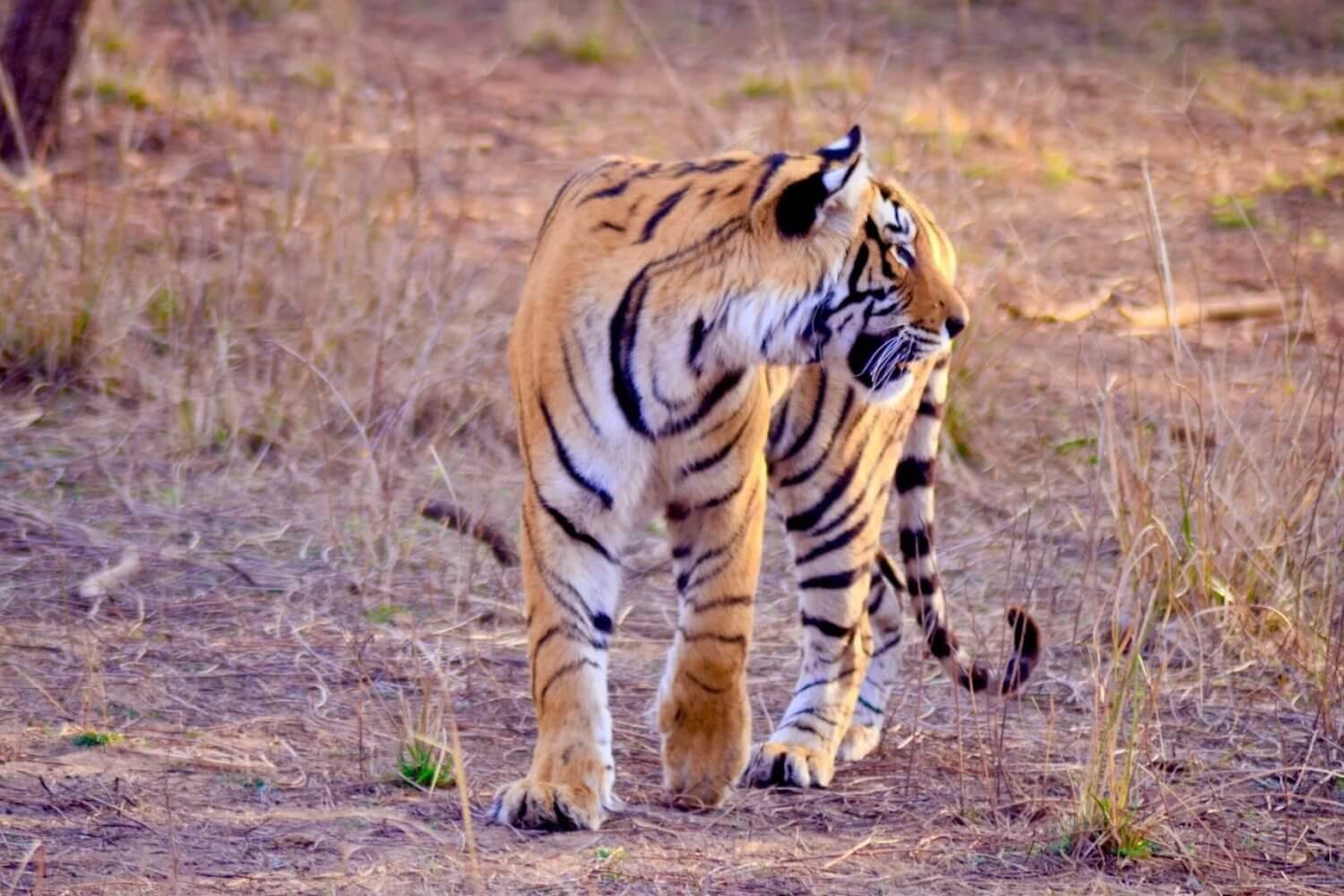
Ranthambore’s model works because it combines three things at once: armed patrol coverage, systematic camera-trap monitoring, and village relocation outside the core zones. Modern reserve management does not rely on fencing alone. Rangers track individual tigers by stripe pattern and build a real-time picture of where cubs are born, where territorial fights break out, and which sub-adults are dispersing beyond the core.
The methodology shift matters. The National Tiger Conservation Authority was created in 2006 in the wake of the Sariska poaching collapse, and it now oversees the All India Tiger Estimation exercise, conducted every four years using a double-sampling framework developed by the Wildlife Institute of India. The 2022 census deployed roughly 32,588 camera traps and captured 4.7 crore wildlife photographs across 641,449 sq km, and it is recognized as the world’s largest camera-trap wildlife survey. Ranthambore’s numbers are trusted internationally because they come out of this framework rather than from local pugmark estimates.
The people behind the ground-level shift matter too. Ranthambore’s foundational recovery work was led by Fateh Singh Rathore, the IFS officer who joined the first Project Tiger team in 1973 and drove the original village relocations from inside the park between 1973 and 1975. His organization, Tiger Watch, still operates in Sawai Madhopur and continues to shape the reserve’s community-conservation model.
How Has the Tiger Population Actually Progressed?
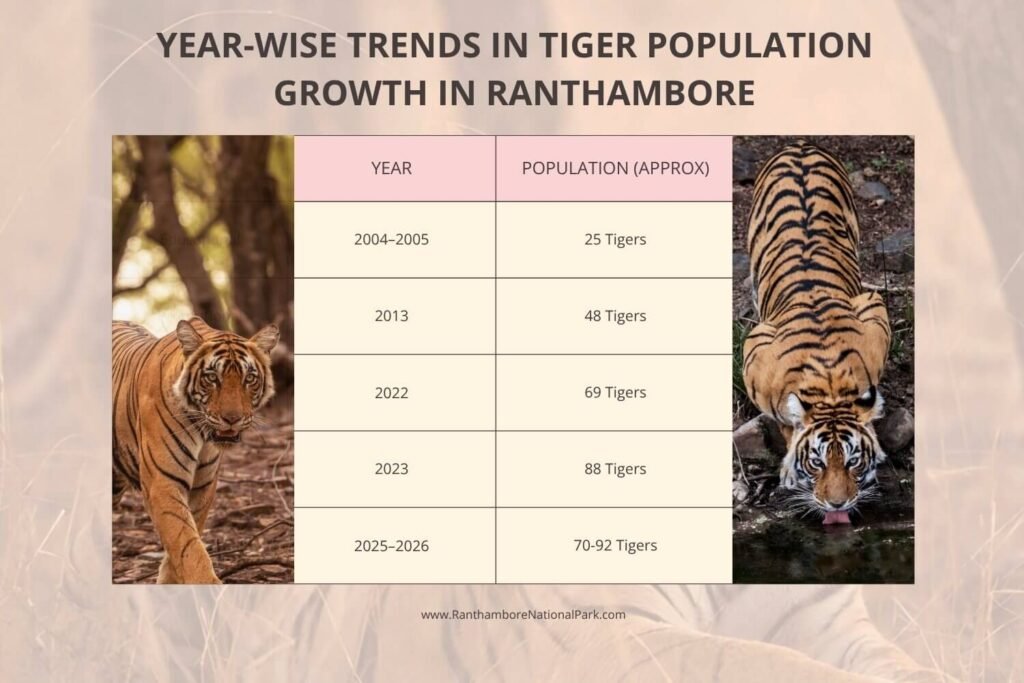
The recovery has not been linear. Ranthambore’s tiger population had collapsed to roughly 26 by 2005 following the poaching crisis. Recovery was slow through the late 2000s, then accelerated: the reserve held 48 tigers by the 2014 NTCA census and 69 by 2022. The Rajasthan Forest Department reports the number at 72 in July 2026, and other 2026 sources cite between 75 and 92 depending on whether the count includes cubs and landscape-level dispersers moving through the Ranthambore–Ramgarh Vishdhari–Mukundra Hills corridor.
The management focus has shifted accordingly. Rangers now track dispersal patterns as closely as they track headcounts, mapping the routes tigers use to move out of the core. The National Tiger Conservation Authority’s Status of Tigers in India 2022 report identifies Ranthambore as the only source population currently expanding tiger distribution across the semi-arid landscape of western India, with documented dispersal into Dholpur, Kuno-Shivpuri-Madhav to the east, and southward via Ramgarh Vishdhari, which was notified as India’s 52nd tiger reserve in May 2022 specifically to function as a corridor to Mukundra Hills Tiger Reserve. Radio-collared male T-115 is one of the first documented dispersers to use the southern route. Protecting those corridors now matters as much as protecting the core reserve did twenty years ago.
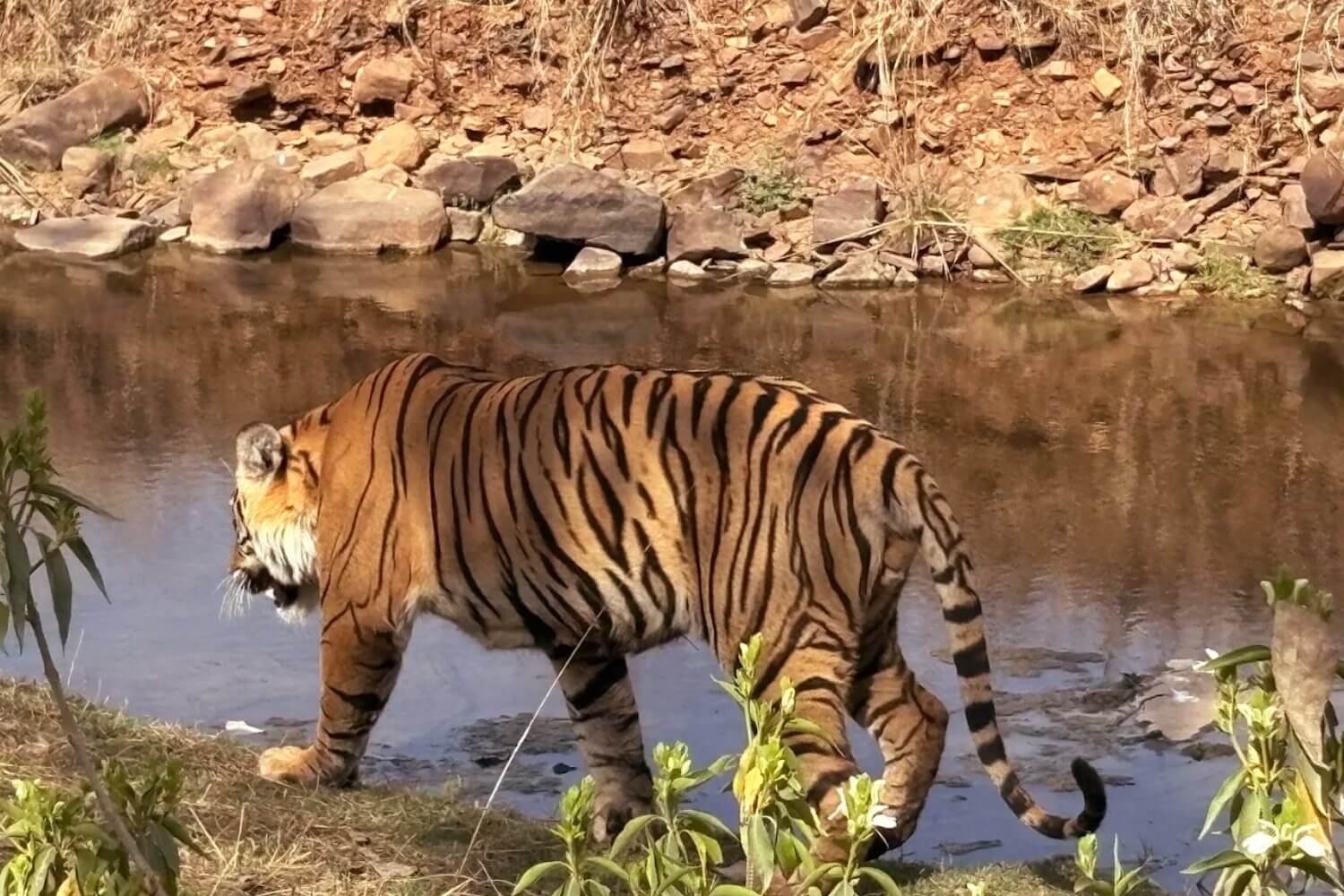
That success created a new problem of overcrowding. When a reserve holds more tigers than its core can comfortably support, younger tigers get pushed toward buffer zones and, eventually, toward farmland and village edges. The Rajasthan Forest Department has confirmed that tigers currently use only about 700 sq km of the 1,334 sq km reserve and that a dozen or so sub-adults without established territories are under special monitoring on the periphery. The Wildlife Institute of India has flagged this exact dynamic as Ranthambore’s next major test. It is not a shortage of tigers; it is a shortage of safe space for them.
Nationally, the arc is even more striking. India’s tiger population rose from 1,411 in the 2006 census (the first done under NTCA’s new methodology) to 2,226 in 2014, 2,967 in 2018, and a minimum of 3,167 (average estimate 3,682) in 2022, according to the Status of Tigers 2022 report. India now hosts roughly 75 percent of the world’s wild tigers across 58 notified reserves. Ranthambore is one of the reserves that has driven that arc.
What Threats Still Endanger Ranthambore’s Tigers?
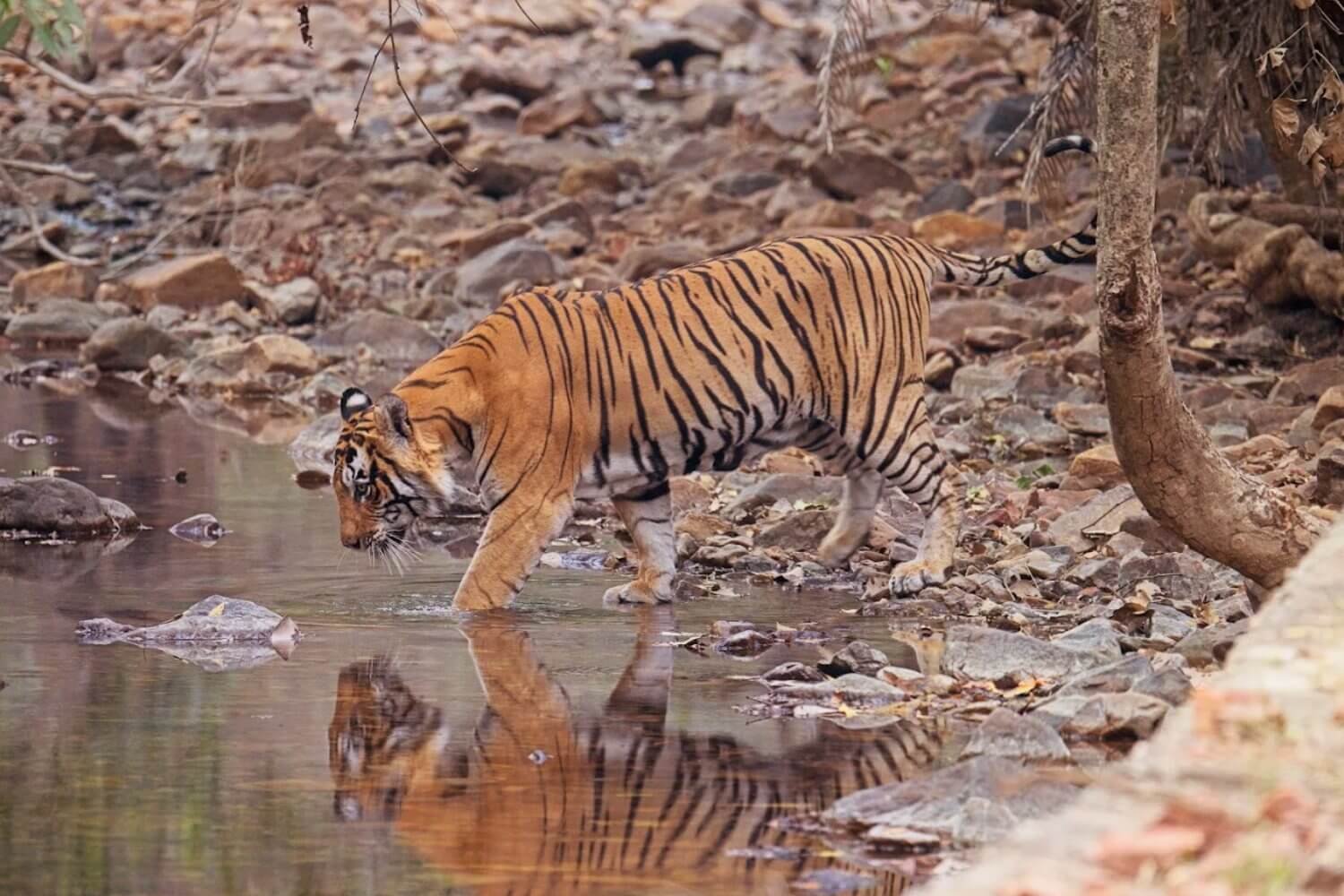
Poaching has not disappeared; it has changed shape. The organised networks that targeted Ranthambore in the early 2000s have largely been dismantled, but opportunistic snaring and poisoning incidents still occur along buffer zone edges. Habitat fragmentation from tourism infrastructure, expanding agriculture, and the railway line running through the landscape adds pressure from a different direction. Nationally, [NTCA data https://ntca.gov.in) shows 167 tiger deaths in 2025 and 126 in 2024, though annual mortality has stayed below 5 percent of the total population for four consecutive years.
Water scarcity is a threat that gets less attention than it deserves. Ranthambore sits in a semi-arid region, and prolonged dry seasons concentrate both prey and tigers around shrinking water sources, which raises the odds of conflict with nearby communities during drought years. Retaliatory killings tied to livestock predation still happen, particularly where compensation payouts are delayed.
Genetic isolation is the quieter danger. A peer-reviewed genetic study of the Ranthambore population, reported in Mongabay-India and Down To Earth, has documented signs of inbreeding consistent with an isolated island population. Researchers have flagged the need for active management of Ranthambore as part of a wider northwestern metapopulation, with facilitated gene flow between reserves and possibly eventual genetic rescue from Central Indian tiger landscapes. This is exactly why the Mukundra and Ramgarh Vishdhari corridors are treated as strategic infrastructure rather than nice-to-haves.
How Do Anti-Poaching Measures Protect Ranthambore’s Tigers?
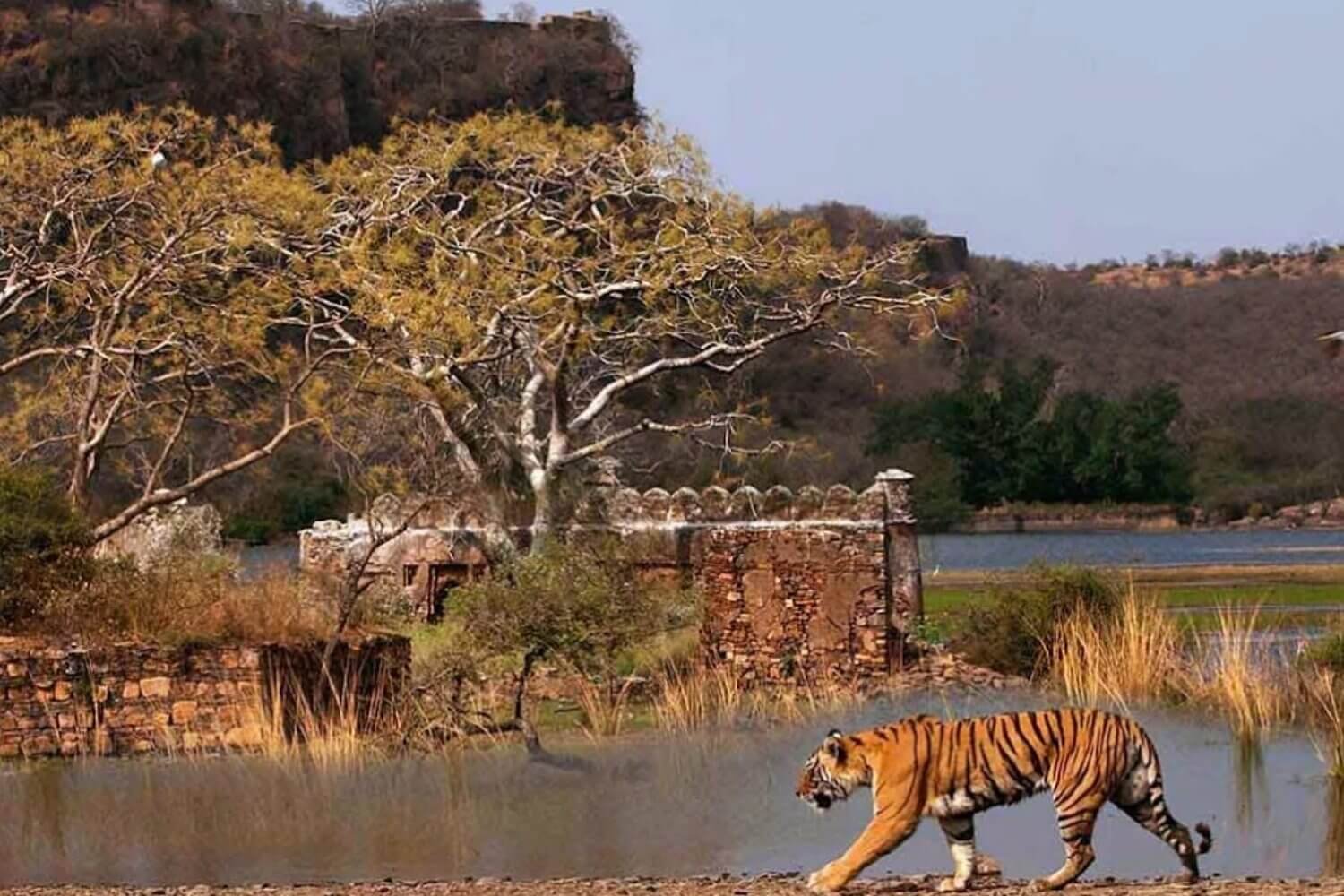
Anti-poaching work in Ranthambore now rests on a layered approach. Forest guards patrol on foot and by vehicle, drone surveillance covers harder-to-reach terrain, AI-assisted camera trap systems monitor tiger movement across zones, and informant networks in buffer villages flag suspicious activity early. None of these tools works well in isolation, but together they have cut confirmed poaching incidents sharply compared to two decades ago.
Village relocation has been the other structural intervention. According to Rajasthan Forest Department records, 12 villages comprising 681 families were relocated from the core between 1973 and 1979 in the reserve’s first-generation clearing programme. A second wave began in 2002, starting with Pathra (about 110 families relocated near Kailashpuri in Khandar), followed by Mordungri, Indala, and Khatoli between 2007 and 2014, in the run-up to the notification of Ranthambore as a Critical Tiger Habitat in December 2008. The process has been controversial, and rehabilitation quality has been documented as uneven, but the core is now largely free of permanent human settlement.
Local involvement has turned out to be one of the most effective anti-poaching tools available. Villagers who once had no stake in tiger survival are now employed as guides, guards, and ecotourism staff, which shifts the economic incentive away from poaching. The pattern is well established across Indian reserves: where local communities capture a share of the tourism revenue, poaching pressure eases.
Legal deterrents matter too. Convictions under the Wildlife (Protection) Act, 1972, now carry serious prison time and faster prosecution timelines, alongside the Wildlife Crime Control Bureau set up in 2006, which have made poaching a riskier bet than it was in the early 2000s.
Why Does Human-Wildlife Conflict Remain a Challenge in Ranthambore?
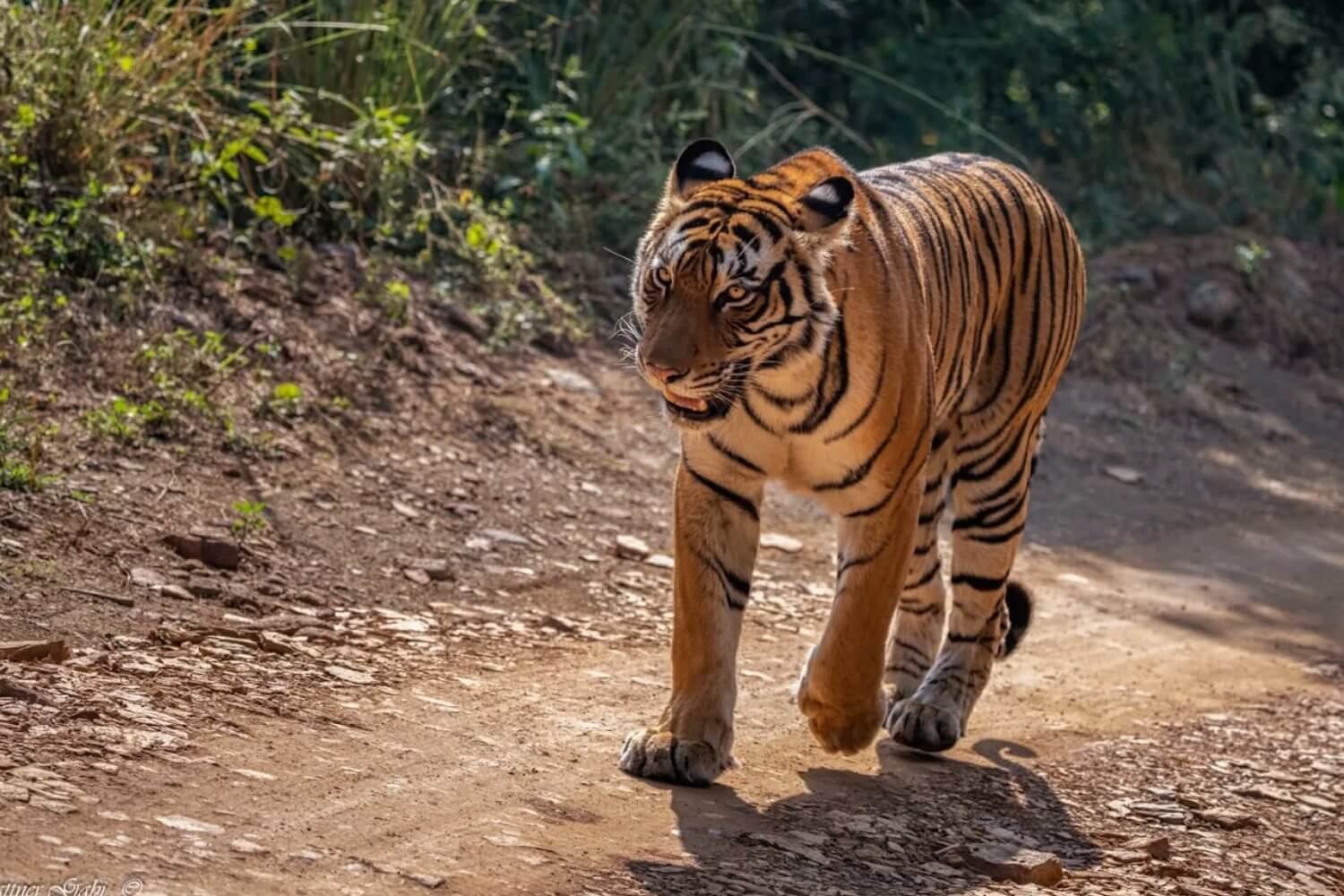
Human-wildlife conflict is arguably the hardest problem left to solve. As the tiger population grows past what core zones can hold, young males in particular move into buffer areas where farmland, grazing land, and village paths overlap with tiger territory. Livestock predation triggers real economic loss for families who often have few other income sources, and fatal attacks, though rare, do occur; three fatal incidents were reported in and around Sawai Madhopur in a single month in late 2020, all attributed to tigers moving through the buffer.
Compensation schemes exist, but payout delays are common, and that gap between loss and payment fuels resentment fast. A farmer who loses a cow to a tiger and waits months for compensation is far less likely to support conservation efforts the next time a survey team shows up. The consensus among practitioners working on the landscape is that faster compensation processing, not just higher payout amounts, is the fix most likely to reduce retaliatory incidents.
Early warning systems help too. Some buffer villages now receive SMS alerts tied to collared tigers’ GPS positions, giving residents real-time notice when a tiger is nearby. It is a small technological intervention, but it has already reduced dangerous encounters in the pilot villages where it has been deployed.
What Does the Future Hold for Ranthambore’s Tigers?
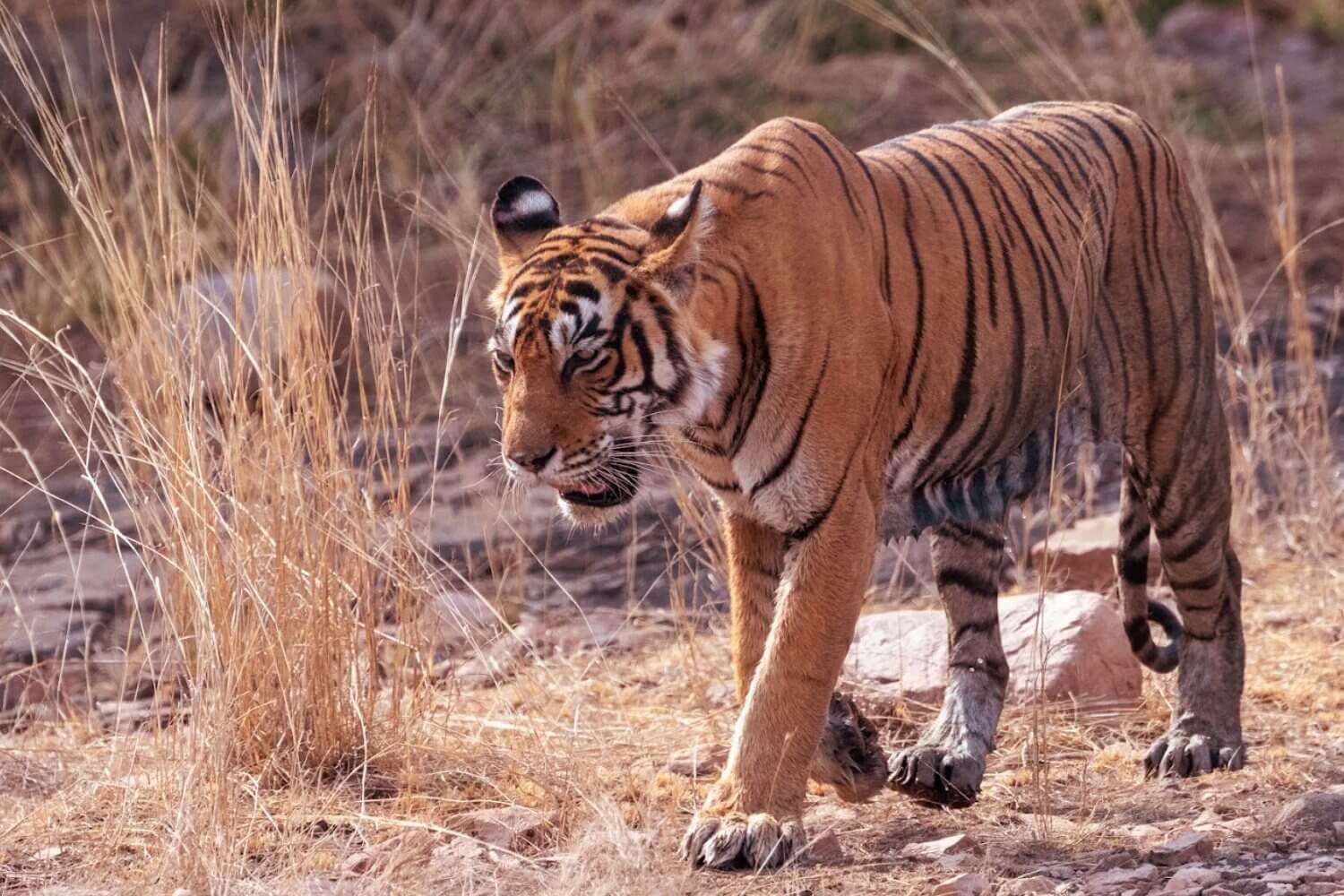
Ranthambore’s conservation planning is shifting from a single-reserve mindset to a landscape-level one. Instead of just protecting the core area, planners are working to secure the Ranthambore–Ramgarh Vishdhari–Mukundra Hills corridor southward and the Ranthambore–Kuno-Shivpuri-Madhav dispersal zone eastward, which would let tigers disperse naturally, ease territorial pressure inside the core, and reduce inbreeding risk over time. The Rajasthan Forest Department has already translocated multiple tigers from Ranthambore to Mukundra and Sariska to seed those reserves, and Rajasthan’s overall tiger population has risen to 149 across five reserves in 2026.
Climate resilience is becoming part of the conversation too. Water source management, drought-proofing key habitat zones, and monitoring how rising temperatures affect prey species are now built into long-term reserve planning rather than treated as side issues.
None of this works without sustained funding and political will, and that is the honest risk sitting underneath every success story from Ranthambore. A reserve can rebuild its tiger population in fifteen years and lose momentum in five if patrol budgets shrink or corridor land gets sold for development.
Ranthambore proves that a nearly collapsed tiger population can recover, but recovery is not the same as security. The reserve now faces a different set of problems than it did in 2005: overcrowding, corridor loss, human conflict, and long-term inbreeding risk, rather than outright poaching collapse. That is genuine progress, even if it does not feel finished.
What happens next depends less on tiger biology than on decisions being made right now about land use, compensation speed, and corridor protection. If you are following this story, the numbers worth watching are not just the tiger count. Watch corridor connectivity between Ranthambore, Ramgarh Vishdhari, Mukundra Hills, and the Kuno-Shivpuri-Madhav dispersal zone; watch buffer zone incident rates; watch how quickly Ranthambore’s role as western India’s only tiger source population translates into self-sustaining populations elsewhere; and watch how quickly genetic-rescue proposals move from research paper to reserve-management protocol, because those are the numbers that will tell you whether the recovery holds for the next generation of tigers.
Sources:
- National Tiger Conservation Authority (NTCA), Government of India
- Status of Tigers in India 2022, Summary Report (NTCA and Wildlife Institute of India)
- Wildlife Institute of India
- Ministry of Environment, Forest and Climate Change
- Down To Earth, on Ramgarh Vishdhari notification and Ranthambore–Mukundra corridor
- Down To Earth, on Ranthambore inbreeding and the case for genetic rescue
Other Interesting Blogs to Read
- High-Tech Jungle: The Role of Technology-Based Monitoring in Tiger Conservation and Tourism
- Rani Machli: Honoring the Legacy of Ranthambore’s Queen Tigress
- Best Jungle Safaris in India
- Why We Celebrate International Tiger Day?
- Best Places to Visit in Rajasthan
- Best Wildlife Resorts to Stay in Ranthambore
- Information Trinetra Ganesh Temple Ranthambore
- Ranthambore National Parks Latest News Updates
- Best Luxury Resorts in Ranthambore National Park
- Peacock Flying in Ranthambore National Park
- Take a Jungle Safari at These 10 Best Wildlife Destinations in Summer Season & Get the Best of Wildlife Adventure
- The Inspiring Story of How Aditya & Poonam Singh Made a Lush Forest Out of a Barren Land in Ranthambore
- Why Should We be Teaching Wildlife Conservation in Schools?
- Do’s and Don’ts of Staying Safe Around Wildlife
- Human – Wildlife Conflict in Concrete Jungle
- 20 Facts You Probably Didn’t Knew About Tigers
- Wildlife Conservation Initiatives by Indian Government
- Experience Golden Triangle India with Ranthambore Tiger Safari
- 10 Reasons to Visit Ranthambore Tiger Reserve in Rajasthan
- In Pictures: Showcasing India’s Endangered Species
- My Experience at Ranthambore National Park- Sundeep Kheria
- Top 5 Star Hotels in Ranthambore Tiger Reserve
- Photography Tour in Ranthambore National Park
- Rajiv Gandhi Regional Museum of Natural History






 Share
Share Home
Home Packages
 Book Now