
21 Sep, 2026
Jeep Safari in Ranthambore Tiger Reserve – A Complete Guide
Ranthambore National Park, located in the Sawai Madhopur district of Rajasthan, is one of India’s most established tiger reserves. Spanning close to 1,700 square kilometers across core and buffer areas, the park combines dry deciduous forest, rocky ridgelines, and a chain of lakes fed by the Chambal and Banas rivers. A jeep safari in Ranthambore lets wildlife enthusiasts, birders, and photographers explore designated tourism zones across this varied terrain in a single drive. Wildlife sightings are never guaranteed, but the park’s steadily growing tiger population, along with leopards, sloth bears, marsh crocodiles, and over 300 bird species, provides diverse opportunities during every safari.
What Makes a Ranthambore Jeep Safari Special?
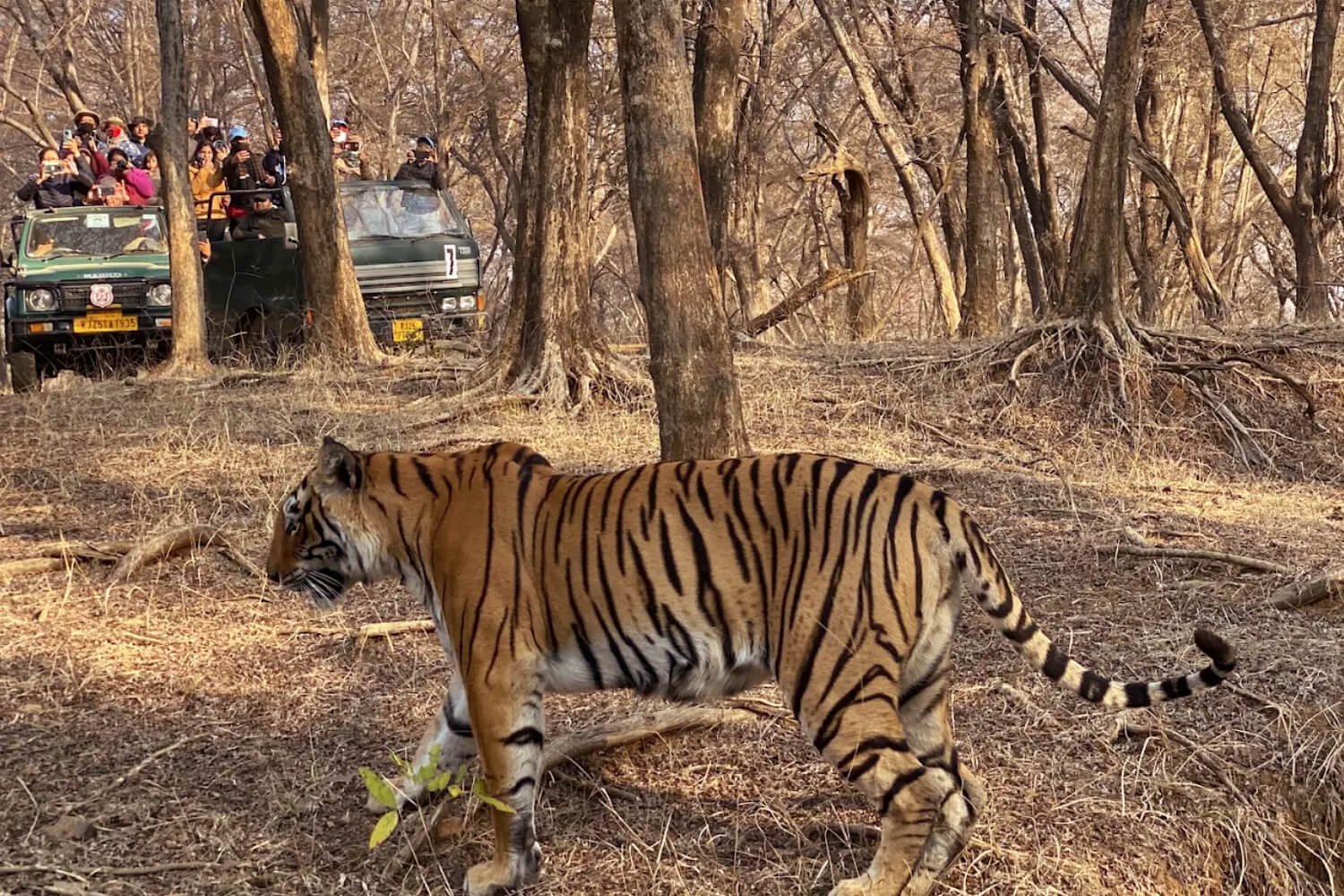
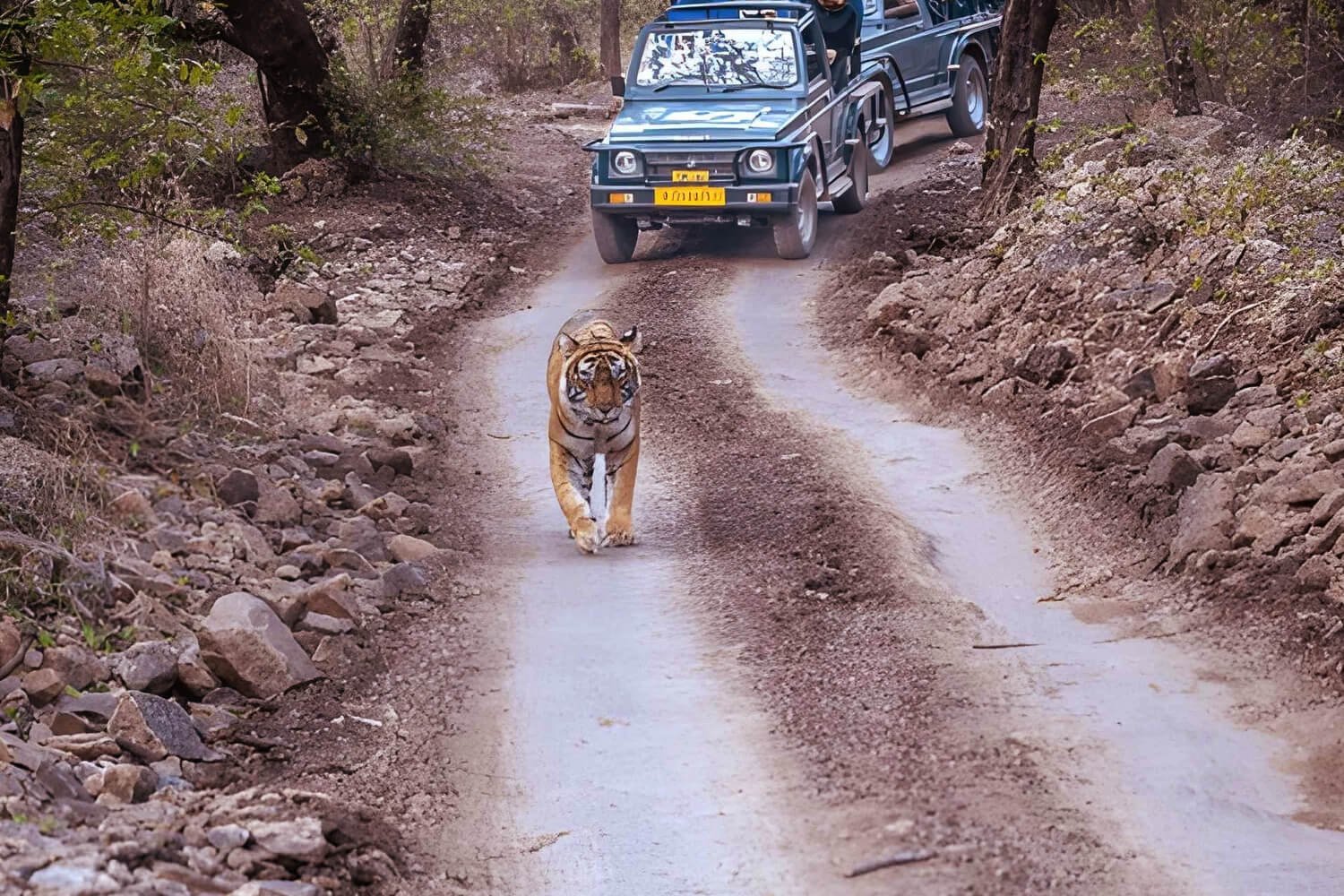
- A Ranthambore jeep safari runs for three to three and a half hours and covers a single designated safari zone within the tourism area.
- The six-seater open jeep (Gypsy) offers unobstructed 360-degree views, making it well suited for wildlife viewing and photography.
- The vehicles are built for Ranthambore’s rocky, unpaved tracks, providing access to habitats not reachable on foot.
- Smaller group size compared to canters allows for quieter, more flexible drives and quicker repositioning when a sighting is reported.
- Safaris pass through some of India’s most photogenic backdrops, including the tenth-century Ranthambore Fort and the park’s chain of lakes.
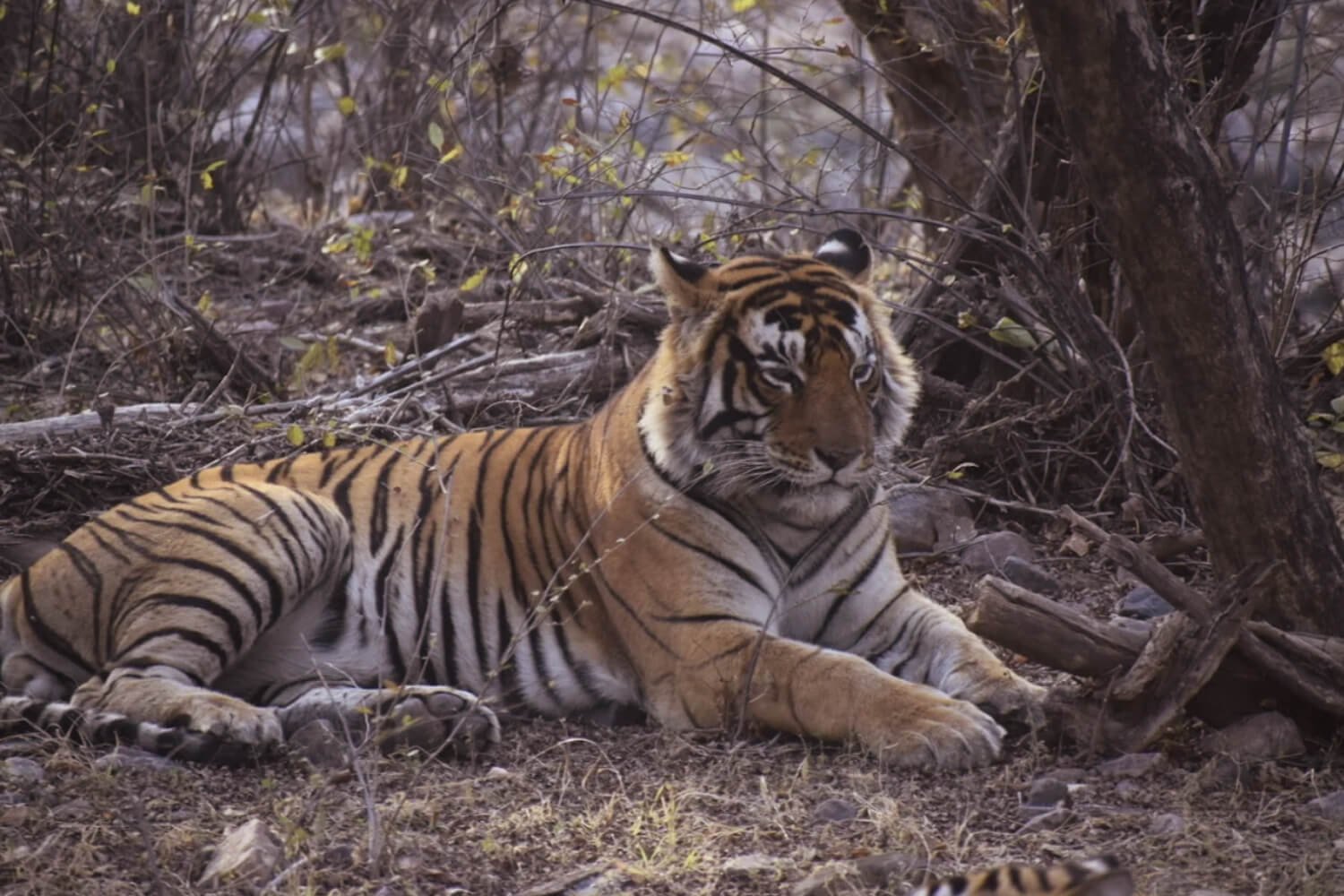
- Wildlife opportunities include tigers, leopards, sloth bears, marsh crocodiles, spotted deer, sambar, nilgai, and a wide range of birdlife, subject to season and animal movement.
Ranthambore Jeep Safari Zones
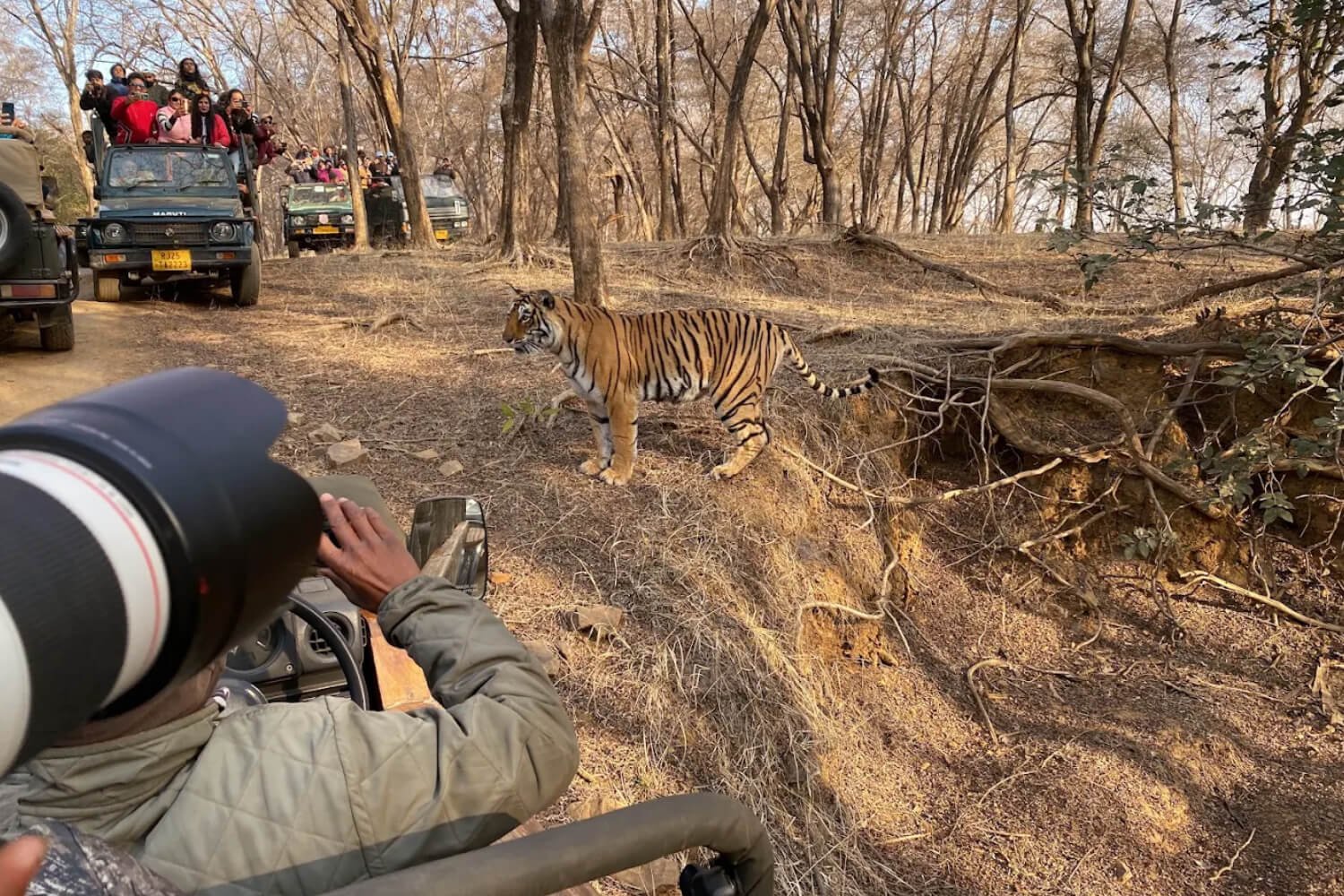
Ranthambore Tiger Reserve is divided into ten numbered safari zones. Zones 1 to 5 form the original core area, while Zones 6 to 10 were added later as buffer zones. Zones 1 to 5 typically stay closed on Wednesdays, and Zones 6 to 10 remain closed on Tuesdays.
Zone 1 (Singh Dwar)
- Safari experience: The gateway zone to the core area, offering a mix of terrain and a steady record of tiger movement, particularly in cooler months.
- Landscape: Rocky outcrops, dry deciduous forest, and open patches near the park entry.
- Key wildlife: Tigers, leopards, sloth bears, nilgai, spotted deer, and Indian gazelle.
- Best suited for: First-time visitors and travelers wanting a classic core-zone safari experience.
- Safari duration: 3 to 3.5 hours.
Zone 2 (Jogi Mahal)
- Safari experience: One of the most sought-after zones, known for consistent tiger sightings and proximity to Ranthambore Fort and Padam Talao lake.
- Landscape: Dense forest, lakes, and open scrubland around the historic fort ruins.
- Key wildlife: Tigers, leopards, marsh crocodiles, sambar, and a wide range of resident and migratory birds.
- Best suited for: Tiger-focused travelers, wildlife photographers, and repeat visitors.
- Safari duration: 3 to 3.5 hours.
Zone 3 (Padam Talao)
- Safari experience: Centered around the largest lake in the park, this zone offers striking scenery and reliable wildlife activity near the water.
- Landscape: Padam Talao lake, Rajbagh ruins, and surrounding forest cover.
- Key wildlife: Tigers, marsh crocodiles, sambar, spotted deer, and lake-associated birdlife.
- Best suited for: Photographers and travelers wanting a mix of wildlife and landscape frames.
- Safari duration: 3 to 3.5 hours.
Zone 4 (Lakarda)
- Safari experience: A long-standing favorite among tiger enthusiasts, with a strong historical record of sightings across its varied terrain.
- Landscape: Rocky hills, water sources, and mixed deciduous forest.
- Key wildlife: Tigers, sloth bears, leopards, nilgai, and sambar.
- Best suited for: Tiger-focused travelers and photographers.
- Safari duration: 3 to 3.5 hours.
Zone 5 (Kachida)
- Safari experience: Offers a quieter drive with occasional standout sightings, particularly of predators.
- Landscape: Undulating terrain with rocky patches and dry forest cover.
- Key wildlife: Tigers, leopards, sloth bears, and nilgai.
- Best suited for: Repeat visitors and those seeking fewer vehicles per drive.
- Safari duration: 3 to 3.5 hours.
Zone 6 (Kundal)
- Safari experience: A buffer zone with an open landscape and growing tiger presence in recent years.
- Landscape: Open grasslands, scrub forest, and rocky patches.
- Key wildlife: Tigers, sloth bears, striped hyenas, and grassland birdlife.
- Best suited for: Photographers wanting wide-angle landscape frames and birdwatchers.
- Safari duration: 3 to 3.5 hours.
Zone 7 (Chidikho)
- Safari experience: A quieter buffer-area drive with fewer vehicles and increasing wildlife activity.
- Landscape: Mixed forest with rocky outcrops and small water sources.
- Key wildlife: Tigers, leopards, and a variety of resident birds.
- Best suited for: Repeat visitors and travelers wanting a low-traffic safari experience.
- Safari duration: 3 to 3.5 hours.
Zone 8 (Balas)
- Safari experience: Known for its scenic drive and occasional big-cat sightings.
- Landscape: Rolling terrain with dry forest and open patches.
- Key wildlife: Tigers, leopards, and various ungulates.
- Best suited for: Landscape photographers and travelers combining scenery with wildlife.
- Safari duration: 3 to 3.5 hours.
Zone 9 (Kuwalji)
- Safari experience: Located along the Banas River, offering a distinct riverine landscape rare in Ranthambore.
- Landscape: Riverine belt with forest cover and rocky patches.
- Key wildlife: Sloth bears, leopards, aquatic birds, and occasional tiger sightings.
- Best suited for: Birdwatchers, sloth bear enthusiasts, and travelers wanting varied habitats.
- Safari duration: 3 to 3.5 hours.
Zone 10 (Aantri)
- Safari experience: The furthest buffer zone with a quieter drive and growing wildlife activity.
- Landscape: Open terrain with scrub forest and rocky patches.
- Key wildlife: Tigers, leopards, sloth bears, and grassland birds.
- Best suited for: Travelers wanting the least crowded safari experience in Ranthambore.
- Safari duration: 3 to 3.5 hours.
Which Ranthambore Jeep Safari Zone Should You Choose?
|
If Your Priority Is |
Consider |
|
First-time Ranthambore safari |
Zone 1 or Zone 2 |
|
Tiger sightings and lake scenery |
Zone 2, Zone 3, or Zone 4 |
|
Photography with fort and lake backdrops |
Zone 2 or Zone 3 |
|
Fewer vehicles and quieter drives |
Zone 6, Zone 7, or Zone 10 |
|
Sloth bears and riverine habitats |
Zone 9 |
|
Combining varied habitats |
Two different zones across two safaris |
Tip: Zone allocation is decided at the time of entry based on availability and booking category, so a specific zone cannot be guaranteed. Booking two safaris across different zones increases variety and sighting opportunities.
Wildlife You Can Spot During a Jeep Safari in Ranthambore
|
Mammals |
Birds |
Reptiles & Amphibians |
|
Royal Bengal Tiger |
Crested Serpent Eagle |
Marsh Crocodile |
|
Leopard |
Painted Stork |
Indian Rock Python |
|
Sloth Bear |
Indian Peafowl |
Monitor Lizard |
|
Striped Hyena |
Grey Hornbill |
Russell’s Viper |
|
Sambar, Spotted Deer, Nilgai |
Bonelli’s Eagle |
Indian Cobra |
Important: Ranthambore is a wild habitat, so animal sightings are never guaranteed. The species you encounter can vary according to season, weather, water levels, vegetation, time of day, and animal movement.
Ranthambore Jeep Safari Timings & Cost
Ranthambore Jeep Safari Timings
|
Safari |
Timings |
Safari Duration |
Operating Season |
|
Morning Jeep Safari |
6:00 AM to 9:30 AM (varies by season) |
3 to 3.5 Hours |
October to June |
|
Afternoon Jeep Safari |
2:30 PM to 6:00 PM (varies by season) |
3 to 3.5 Hours |
October to June |
Morning safaris start earlier in the summer months (April to June) and later in the winter months (October to February). Afternoon slots shift accordingly.
Ranthambore Jeep Safari Cost
|
Safari Zone |
Indian Visitors |
Foreign Visitors |
|
Core Zones (1 to 5) |
INR 1,800 to 2,500 per person |
INR 3,500 to 4,500 per person |
|
Buffer Zones (6 to 10) |
INR 1,500 to 2,000 per person |
INR 3,000 to 4,000 per person |
Other important details:
- Vehicle capacity: Maximum 6 persons per Gypsy safari.
- Safari duration: 3 to 3.5 hours.
Note: Safari charges and inclusions may be revised by the authorities. Confirm the applicable rate and inclusions when making your reservation.
How to Book a Jeep Safari in Ranthambore: Step by Step
- Select your preferred safari zone (Core Zones 1 to 5 or Buffer Zones 6 to 10) based on your interests and preferred landscape.
- Select your preferred safari date and time from the available morning or afternoon slots.
- Enter the required passenger details, including name, mobile number, gender, age, and other information requested during booking.
- Provide valid identification details for each visitor. Indian visitors can use accepted identification such as Aadhaar, Voter ID, or PAN card. Foreign visitors require a valid passport.
- Complete the advance payment required to confirm the safari reservation.
- Carry the same original identification document used during booking and present it at the time of entry.
Best Time to Visit Ranthambore for a Jeep Safari
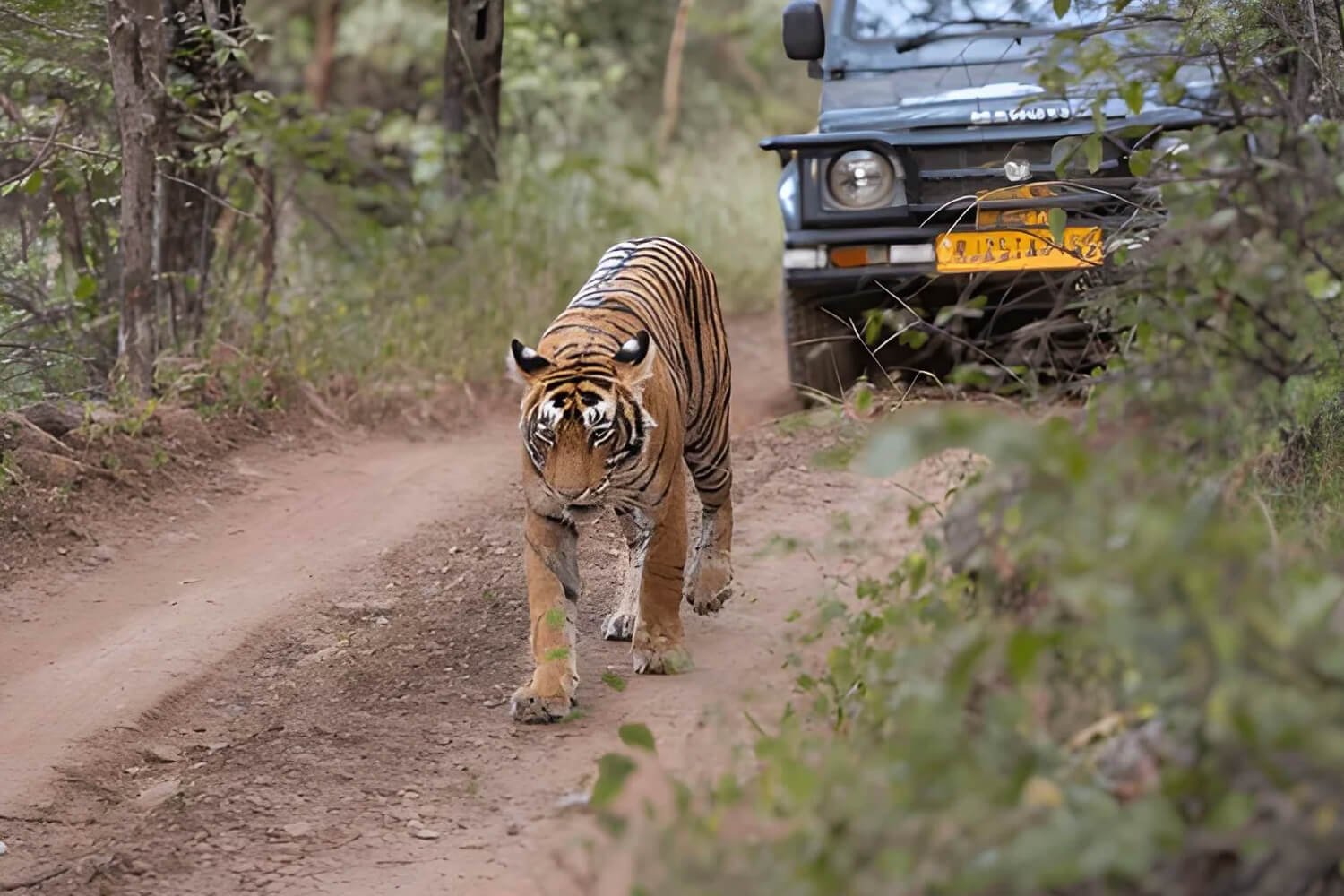
- Winter (October to February): The most popular season, with pleasant temperatures, clear visibility, and comfortable safari conditions. Migratory birds are active, and tigers are often seen moving in the milder heat.
- Summer (March to June): Temperatures climb past 40 degrees Celsius by May and June. Sighting odds can improve as wildlife concentrates around shrinking water sources, though afternoon drives can be uncomfortable. Safari timings shift earlier and later to work around the heat.
- Monsoon (July to September): The core zones (1 to 5) close for the monsoon to allow the forest to regenerate. Selected buffer zones may remain open in limited capacity, subject to weather and access conditions.
What to Expect on a Ranthambore Jeep Safari
- Before the Safari: Report at the designated gate 30 to 45 minutes before the slot time. Allow sufficient time for entry verification, vehicle allocation, and ID checks. Latecomers risk losing their seat.
- During the Safari: Expect a bumpy ride across rocky, unpaved tracks. The guide will scan the terrain constantly and stop the vehicle when wildlife is spotted or a sighting call comes through. Silence and stillness are expected around wildlife.
- After the Safari: The jeep returns to the designated exit point at the end of the slot. Expect a dusty ride, particularly in the drier months. If satisfied with the service, you may choose to tip your guide and driver.
What to Carry for a Ranthambore Jeep Safari?
- Valid original ID proof (mandatory for gate entry).
- Muted, neutral clothing in beige, olive, grey, or khaki. Avoid bright colors and white.
- A hat, sunglasses, and sunscreen for exposure protection.
- Warm layers or a light jacket for winter mornings (November to February).
- Binoculars for birdwatching and distant sightings.
- A camera with a 100 to 400mm zoom lens for wildlife photography.
- A reusable water bottle and light snacks.
- A scarf or face covering for dust protection on dry tracks.
Tips for a Better Ranthambore Jeep Safari
- Wear muted, neutral colors and avoid anything bright or reflective.
- Keep voices low when the jeep stops near wildlife.
- Avoid unnecessary noise, sudden movements, and flash photography.
- Do not attempt to attract, feed, or provoke wildlife for photographs.
- If your itinerary allows, book two safaris across different zones for a wider variety of habitats and sighting opportunities.
- Keep camera settings adjusted for low light before the safari starts, since sighting windows are often brief.
- Use a telephoto lens in the 100 to 400mm range to cover most sighting distances comfortably.
- Follow your guide’s advice on how the vehicle approaches a sighting. The guide and driver decide the approach, not the visitors.
- Mobile phone usage is restricted inside the safari zone under current park regulations.
Combine Your Jeep Safari with Other Ranthambore Experiences
- Canter Safari: A budget-friendly alternative for larger groups covering the same safari zones.
- Ranthambore Fort Visit: Explore the tenth-century hilltop fort at the heart of the park, home to owls, langurs, and striking views over the reserve.
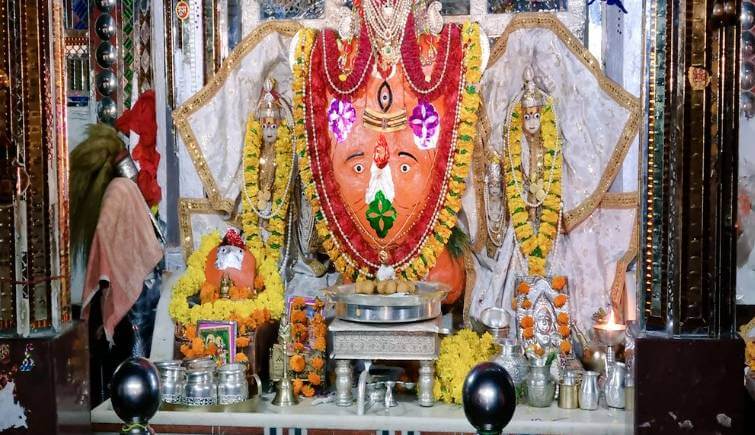
- Trinetra Ganesh Temple: A revered temple located within Ranthambore Fort, drawing pilgrims and history enthusiasts.
- Rajiv Gandhi Regional Museum of Natural History: A regional museum in Sawai Madhopur covering the natural history of the area.
- Birdwatching: Explore Ranthambore’s lakes and forest edges for over 300 recorded bird species.
- Village and Local Experiences: Guided visits to nearby villages offering a look at rural Rajasthani life.
Other Interesting Blogs to Read
- High-Tech Jungle: The Role of Technology-Based Monitoring in Tiger Conservation and Tourism
- Rani Machli: Honoring the Legacy of Ranthambore’s Queen Tigress
- Best Jungle Safaris in India
- Why We Celebrate International Tiger Day?
- Best Places to Visit in Rajasthan
- Best Wildlife Resorts to Stay in Ranthambore
- Information Trinetra Ganesh Temple Ranthambore
- Ranthambore National Parks Latest News Updates
- Best Luxury Resorts in Ranthambore National Park
- Peacock Flying in Ranthambore National Park
- Take a Jungle Safari at These 10 Best Wildlife Destinations in Summer Season & Get the Best of Wildlife Adventure
- The Inspiring Story of How Aditya & Poonam Singh Made a Lush Forest Out of a Barren Land in Ranthambore
- Why Should We be Teaching Wildlife Conservation in Schools?
- Do’s and Don’ts of Staying Safe Around Wildlife
- Human – Wildlife Conflict in Concrete Jungle
- 20 Facts You Probably Didn’t Knew About Tigers
- Wildlife Conservation Initiatives by Indian Government
- Experience Golden Triangle India with Ranthambore Tiger Safari
- 10 Reasons to Visit Ranthambore Tiger Reserve in Rajasthan
- In Pictures: Showcasing India’s Endangered Species
- My Experience at Ranthambore National Park- Sundeep Kheria
- Top 5 Star Hotels in Ranthambore Tiger Reserve
- Photography Tour in Ranthambore National Park
- Rajiv Gandhi Regional Museum of Natural History
Some Frequently Asked Questions about Jeep Safari in Ranthambore:
Q. How long does a jeep safari in Ranthambore last?
Ans. Each safari runs for approximately three to three and a half hours, covering a single designated zone within that window.
Q. How many people can fit in one jeep in Ranthambore?
Ans. A Ranthambore Gypsy safari accommodates a maximum of 6 persons per vehicle, subject to current safari regulations.
Q. Is advance booking required for a Ranthambore jeep safari?
Ans. Advance booking is recommended, particularly during peak season (November to March), to secure your preferred zone and slot. Availability and booking procedures may vary, so confirm the current process before travelling.
Q. Can I choose my safari zone in advance?
Ans. Zone preference can sometimes be requested at the time of booking, but final allocation is decided by the authorities based on availability, and a specific zone cannot be guaranteed.
Q. Which is the best zone for tiger sightings in Ranthambore?
Ans. Zones 2, 3, and 4 have a stronger long-term record for tiger sightings, largely because of their proximity to Padam Talao and Rajbagh lakes. However, no zone can guarantee a sighting since tigers move freely across their ranges.
Q. Is a jeep safari better than a canter for tiger sightings?
Ans. Neither vehicle type guarantees a sighting, since that depends on wildlife movement on the day. A jeep offers more flexibility, a quieter drive, and a more personal experience, which many repeat visitors prefer.
Q. Are safaris available every day of the year?
Ans. No. Core Zones (1 to 5) close during the monsoon months (July to September). Individual zones also close on rotating weekdays throughout the open season, with Zones 1 to 5 typically closed on Wednesdays and Zones 6 to 10 closed on Tuesdays.
Q. Are children allowed on the jeep safari?
Ans. Yes, children are welcome on jeep safaris. Parents of very young children should be aware that the tracks are rocky and the ride is bumpy, so discretion is advised for toddlers and infants.
Q. How much does a jeep safari in Ranthambore cost?
Ans. Ranthambore jeep safari prices vary by zone and visitor category. Rates and inclusions can change based on current booking and park regulations, so confirm the applicable rate before making a reservation.
Q. What is the best time of year to visit Ranthambore for a safari?
Ans. Winter (October to February) is the most popular season for its comfortable weather and steady wildlife activity. Summer (March to June) offers stronger sighting odds around water sources, though temperatures are high. The monsoon (July to September) sees the core zones closed.


 Share
Share Home
Home Packages
 Book Now