

02 Dec, 2025
Ranthambore’s Tigress T-2307 Gives Birth to Three Cubs
In a major milestone for wildlife conservation in Ranthambore, T-2307 has been verified to have had her first litter of cubs, making it a big step in breeding the pairs of this species. The announcement was made with corroborating evidence from a series of photo traps and videos obtained from the camera trap, shared by the Forest Minister of Rajasthan, Sanjay Sharma, that showed an adult tiger with three cubs walking together. The adult tiger was T-2307 and the cubs are thought to be approximately 2.5-3 months old.
The Forest Department of Ranthambore has reported that T-2307 (the daughter of T-111 & T-121) is known to be momentarily inhabiting the Kundera range, particularly in proximity to Bawdi Tiraha/Berda/Bairda/Lahapur Cell. This brings the total number of tiger cubs now born in Ranthambore to approximately 19. To protect the new tiger family, the authorities have increased patrolling and surveillance in all areas where the cubs have been sighted and will continue to patrol these areas.
Territory & Genealogy of Tigress T-2307
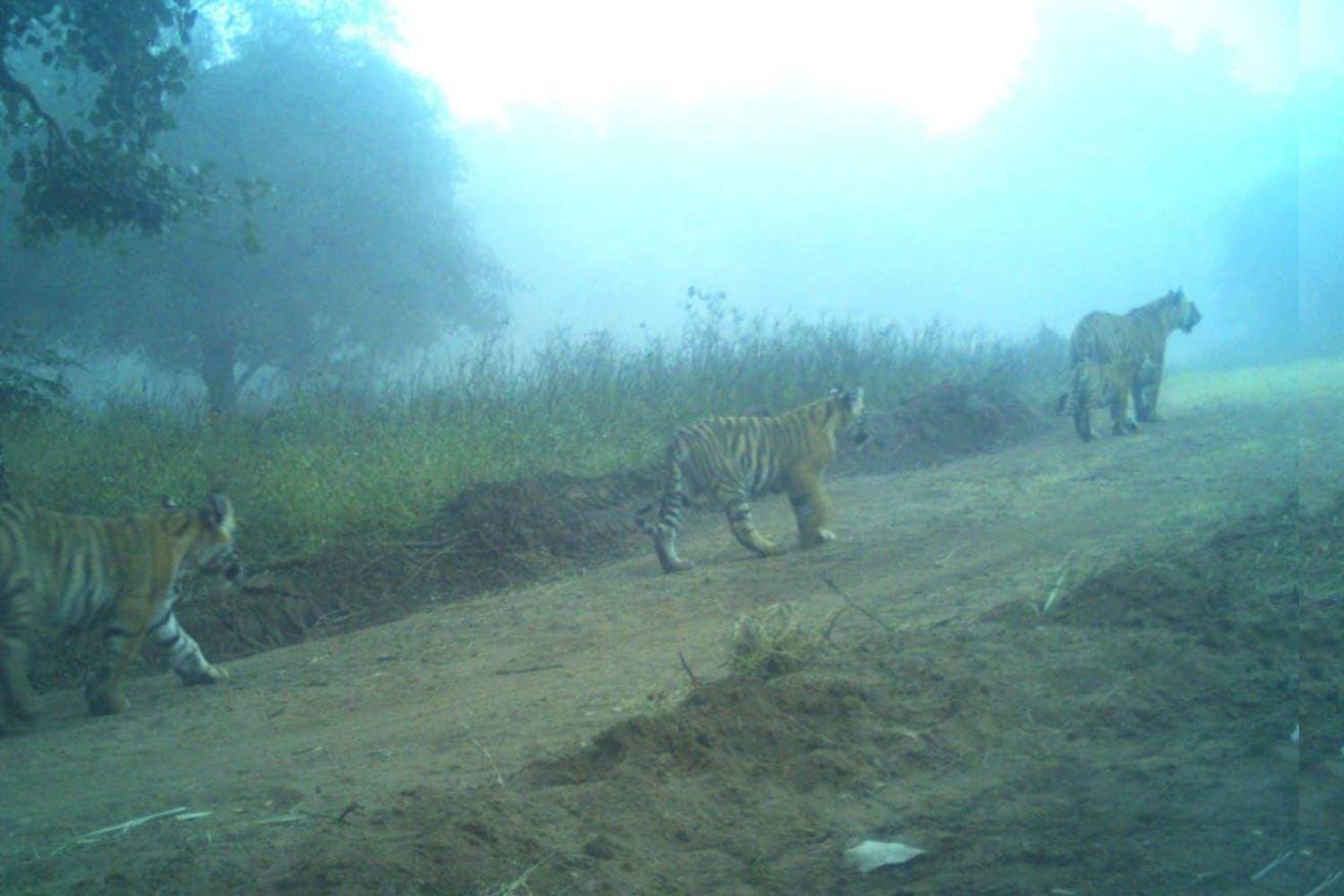 Key Facts:
- Age: 4 years
- Parents: Tigress T-111 (Shakti) and Tiger T-121
- Her Primary Habitats: Bawdi Tiraha, Berda/Bairda, and Lahapur Cell of the Kundera Range.
- Importance: This is her first litter (First-time Mother); indicates a stable supply of prey and a low level of disturbance to the gazelle population in that area.
- Likely Scenario: Officials have confirmed that the cubs are likely to remain in this area until they can hunt independently.
A Breakthrough Moment for Tiger Conservation in Ranthambore
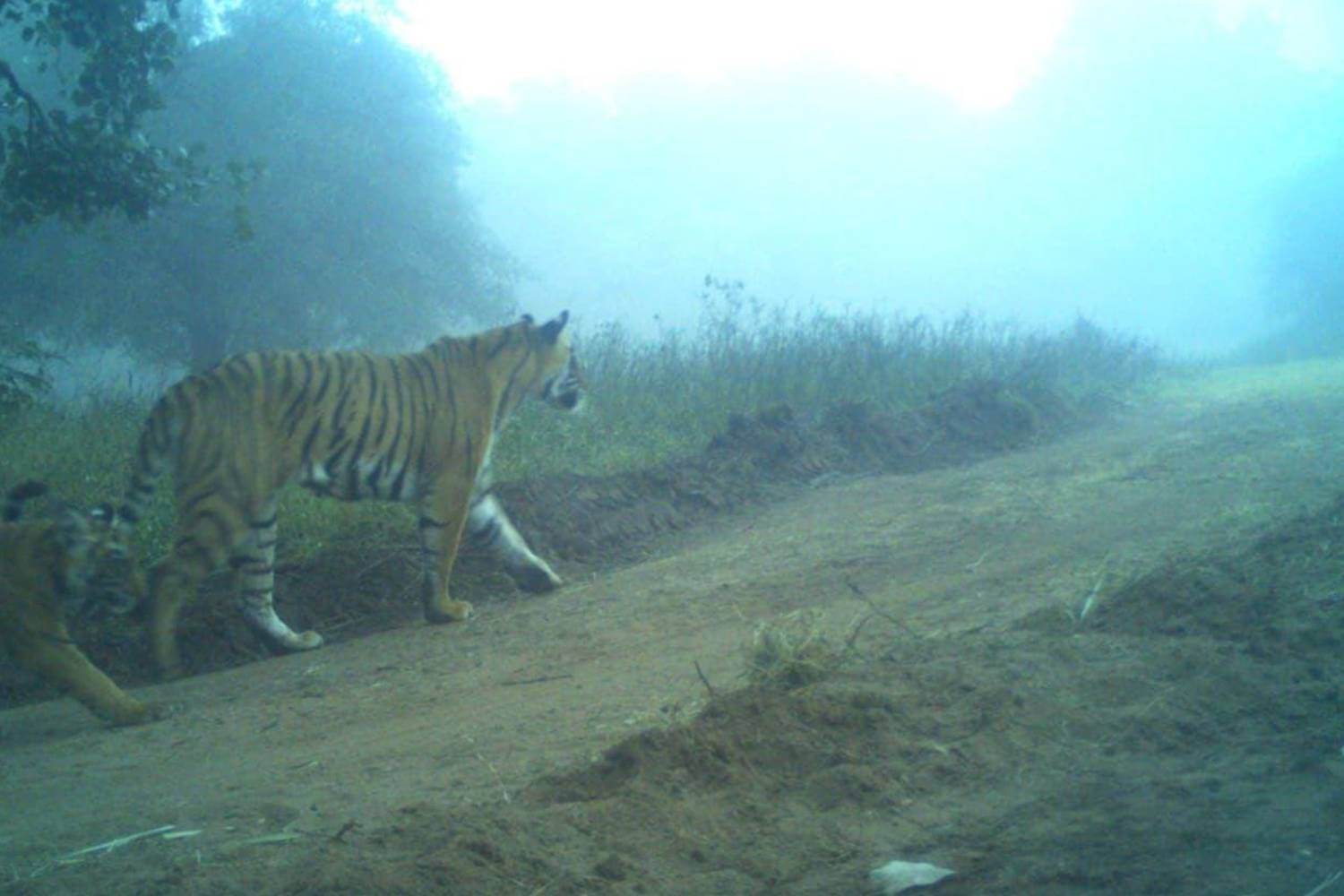
- T-2307 is now a mother at just four years old, a healthy indication of the area's habitat conditions and territory security.
- This cements one of Ranthambore’s most exciting achievements in terms of wildlife protection this year.
- Thus far, there have been at least 10 cubs born to tigers in Ranthambore in 2025, which is another huge success story from this year's conservation program.
A Moment When T-2307 was Confirmed As Having Cubs
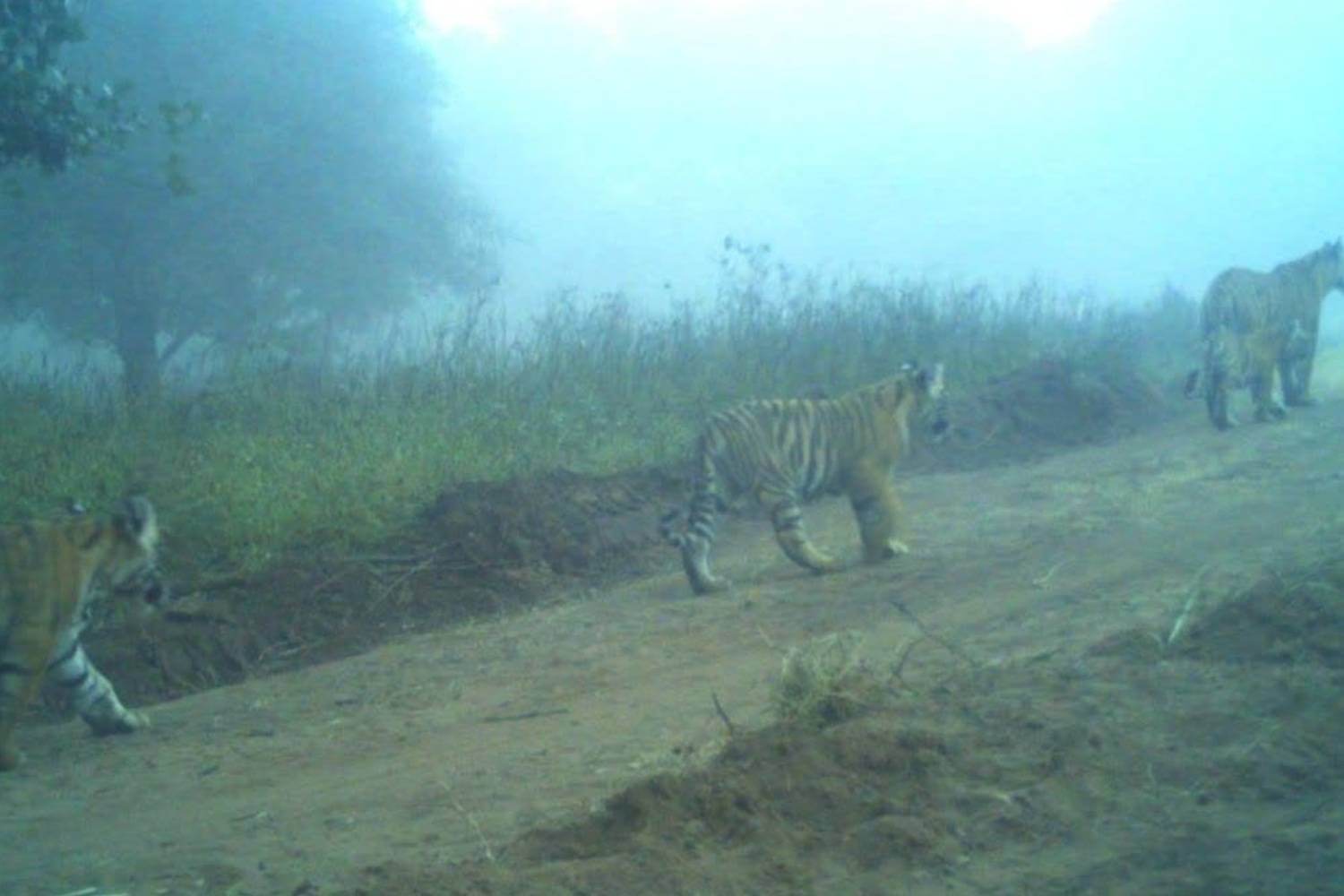
The T-2307 (tiger) was first discovered by a member of the Kundera Range Patrol, along with their Forest Department personnel. At the time of initial sighting, there were no visual records of this sighting, so it could not be confirmed.
- The post-confirmation photographs of T-2307 with three cubs obtained from a camera trap support this original sighting by providing photographic evidence of the original sighting.
- The forest minister provided them with clear footage of T-2307 and her cubs.
- In addition, the cubs were reported to be approximately 2-3 months old by several wildlife experts.
Forest Department Strengthens Protection Measures
To ensure that T-2307 and her cubs are able to grow up healthy and safe, the forest department has implemented a number of enhanced security measures.
Expanded Monitoring:- Expanded the park’s camera trap network
- Increased the frequency of ground patrols
- Active monitoring of T-2307
- Sensitive areas of Kundera Range are now under greater control
- Preventative measures taken to preclude human-related disturbance and harm
The officials have it that Ranthambore's conservation methods, as well as the expansion of safe habitats and increased surveillance, have led to increasing cub numbers.
A Massive Success Leading to a Bright Future!
It has been demonstrated that successful conservation work continues to yield results, as evidenced by the birth of three cubs by Tigress T-2307, a part of the Ranthambore Tiger Reserve. With enhanced monitoring, an abundant population of prey, and stable conditions within its boundaries, Ranthambore is cementing its position as one of the best tiger habitats in India. With the first litter of cubs of T-2307 being born within the protected areas of the Kundera Range, this event enhances the overall diversity of the species and demonstrates the continuing commitment to preserve India’s magnificent big cats over an extended period of time.
Other Interesting Blogs to Read
- Rani Machli: Honoring the Legacy of Ranthambore’s Queen Tigress
- Best Jungle Safaris in India
- Why We Celebrate International Tiger Day?
- Best Places to Visit in Rajasthan
- Best Wildlife Resorts to Stay in Ranthambore
- Information Trinetra Ganesh Temple Ranthambore
- Ranthambore National Parks Latest News Updates
- Best Luxury Resorts in Ranthambore National Park
- Peacock Flying in Ranthambore National Park
- Take a Jungle Safari at These 10 Best Wildlife Destinations in Summer Season & Get the Best of Wildlife Adventure
- The Inspiring Story of How Aditya & Poonam Singh Made a Lush Forest Out of a Barren Land in Ranthambore
- Why Should We be Teaching Wildlife Conservation in Schools?
- Do’s and Don’ts of Staying Safe Around Wildlife
- Human – Wildlife Conflict in Concrete Jungle
- 20 Facts You Probably Didn’t Knew About Tigers
- Wildlife Conservation Initiatives by Indian Government
- Experience Golden Triangle India with Ranthambore Tiger Safari
- 10 Reasons to Visit Ranthambore Tiger Reserve in Rajasthan
- In Pictures: Showcasing India’s Endangered Species
- My Experience at Ranthambore National Park- Sundeep Kheria
- Top 5 Star Hotels in Ranthambore Tiger Reserve
- Photography Tour in Ranthambore National Park
- Rajiv Gandhi Regional Museum of Natural History






 Share
Share Home
Home Packages
 Book Now